
Children's health
Children's health in Rutherford, made easier for families.
Bulk billed care for babies, children and teenagers, from immunisations and check-ups to coughs, fevers, asthma and growing up.
A family GP for every stage of childhood.
From your baby's first immunisations to a teenager's first appointment on their own, our GPs care for children of every age. We take time to listen to parents and to explain things in a way children understand.
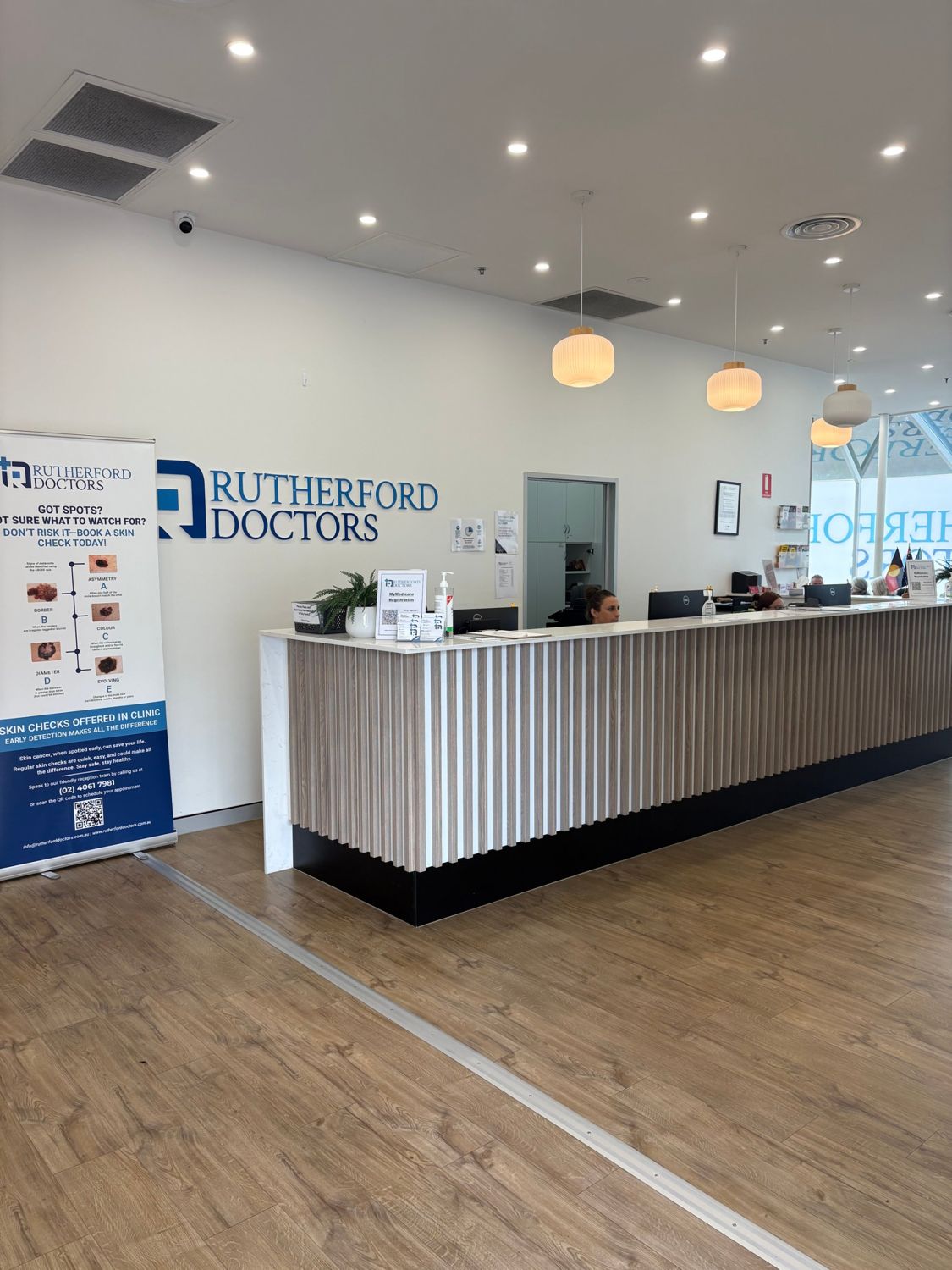
Rutherford Doctors is a Medicare Bulk Billing Practice on Hillview Street, caring for families across Rutherford, Aberglasslyn, Telarah and the wider Maitland area. Children's consultations and National Immunisation Program vaccines are bulk billed for Medicare-eligible patients.
Book a time that suits your family.

How we can help.
Choose a topic to learn what is involved and when to see a GP.
Immunisations
Vaccines under the National Immunisation Program are free and protect children from serious diseases.
Vaccines at birth, 2, 4, 6, 12 and 18 months, and 4 years, plus school vaccines in high school.
Missed a vaccine? Your GP can plan a catch-up schedule, and many catch-up vaccines are free.
Every vaccine is recorded on the Australian Immunisation Register, needed for childcare and some family payments.
Everyday illness
Coughs, colds, fevers, ear aches, rashes and tummy bugs are common in childhood.
Your GP can check for ear, throat, chest and urine infections and explain how to care for your child at home.
Keeping up fluids is the priority. See a GP if your child is not drinking or seems drowsy.
Many rashes are mild, but a rash that does not fade when pressed needs urgent medical attention.
Growth and development
Regular checks help track how your child is growing, moving, talking and learning.
Your GP can complete the checks recorded in your child's Personal Health Record (Blue Book).
If you have concerns about speech, coordination or milestones, your GP can assess and refer.
A health check before school covers growth, vision, hearing, development and immunisations.
Asthma and allergies
Asthma, hay fever, eczema and allergies are common in Australian children.
A written plan helps you and your child's school know what to do every day and in a flare-up.
Your GP can check your child is using their puffer and spacer correctly.
Your GP can talk through symptoms and arrange referral or testing where needed.
Skin conditions
Eczema, nappy rash, school sores and warts are common reasons to see a GP.
Moisturising and a clear flare plan can help. Your GP can talk through treatment options.
Impetigo spreads easily. Your GP can check and advise on treatment and school attendance.
Usually harmless and often clear on their own. Your GP can discuss options.
Teen health
Teenagers can start seeing a GP on their own, with confidential care that respects their privacy.
From around age 14 or 15, young people can usually have their own Medicare card and see a GP privately.
Stress, low mood and anxiety are common. Support is available.
Non-judgemental advice and care for young people.
Something else on your mind? Our GPs can help.
Common childhood illnesses.
A guide to what to look for and when to see a GP. If your child is very unwell, call 000.
Very common
Fever
A fever is the body's normal response to infection. Keep your child comfortable and offer fluids.
Call 000 if your child is hard to wake, has trouble breathing, or has a rash that does not fade when pressed.
Middle ear
Ear infection
Many ear infections clear on their own. Your GP will check the ear and advise whether antibiotics are needed.
Pain relief can help in the meantime. See your GP sooner if your child seems very unwell.
Barking cough
Croup
Croup is a viral infection of the upper airway, most common in younger children.
Call 000 if your child is struggling to breathe, is pale or blue, or is drooling and cannot swallow.
Vomiting and diarrhoea
Gastro
The main risk is dehydration. Offer small, frequent sips of fluid.
Keep your child home from childcare or school until 24 hours after the last episode.
Viral rash
Hand, foot and mouth
A common, usually mild viral illness in young children.
Blisters should not be popped. Good hand washing helps stop the spread.
Eye infection
Conjunctivitis
Conjunctivitis can be viral, bacterial or allergic. Your GP can advise on treatment.
Gently clean the eyes with cooled boiled water and wash hands often.
Itchy skin
Eczema
Eczema is common and often improves with age. A daily skin care routine helps.
Your GP can talk through creases, moisturisers and treatments for flares.
Wheeze
Asthma
An asthma action plan helps manage symptoms day to day.
Call 000 if your child cannot speak in sentences, is very short of breath, or the reliever is not helping.
This guide is general information only. Every child is different. If you are worried, book an appointment or call 000 in an emergency.
Worried about your child? See a GP today if you can.
Your child's immunisation visit.
What to expect, from booking to the days after.
Free vaccines
National Immunisation Program
Routine childhood vaccines are free, and the consultation is bulk billed for Medicare-eligible children.
Bring along
Blue Book and Medicare card
Your child's Personal Health Record helps your GP record the vaccines given.
Seek medical help if
- High fever that does not settle
- Your child is very unsettled or floppy
- Swelling or redness that keeps spreading
- Any concern about breathing or a rash
Step by step
- 1Book
Book a standard appointment online or by phone. Let reception know which vaccines are due.
- 2Check-in
Your GP or nurse checks your child is well on the day and answers any questions.
- 3Vaccination
Vaccines are given as injections, or drops by mouth for rotavirus. Feeding or a cuddle during and after can help.
- 4Short wait
You will be asked to wait about 15 minutes after vaccination before leaving.
- 5At home
A sore leg or arm, mild fever and being unsettled are common for a day or two.
Due for vaccines? Book your child's immunisations.
Catch-up vaccines
If your child has missed vaccines, your GP can create a catch-up plan. Many catch-up vaccines are free for children under the National Immunisation Program.
School vaccines
Secondary school students in NSW are offered vaccines through the NSW school vaccination program. If a school vaccine is missed, your GP can usually help.
Costs
Consultations are bulk billed for Medicare-eligible children. National Immunisation Program vaccines are free. Privately purchased vaccines, such as some travel vaccines, attract a fee.
Book a children's appointmentCare at every age.
Select an age to see the checks and care worth talking to your GP about.
Is your child due for a check?
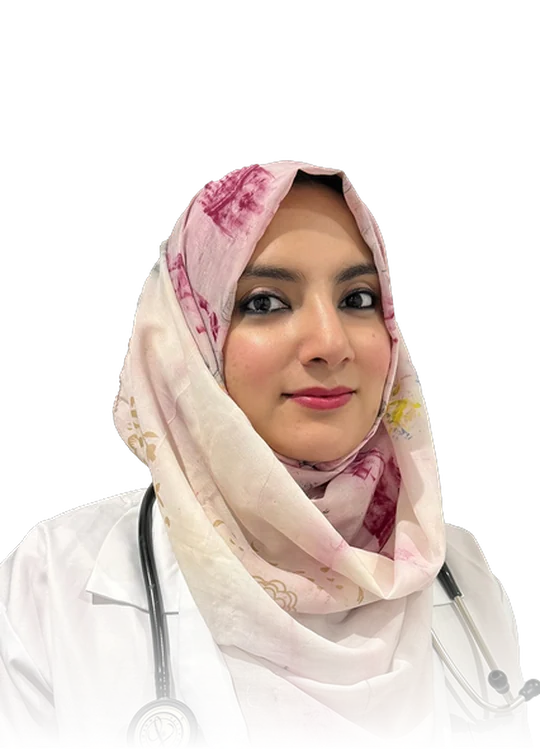
Our GPs for children.
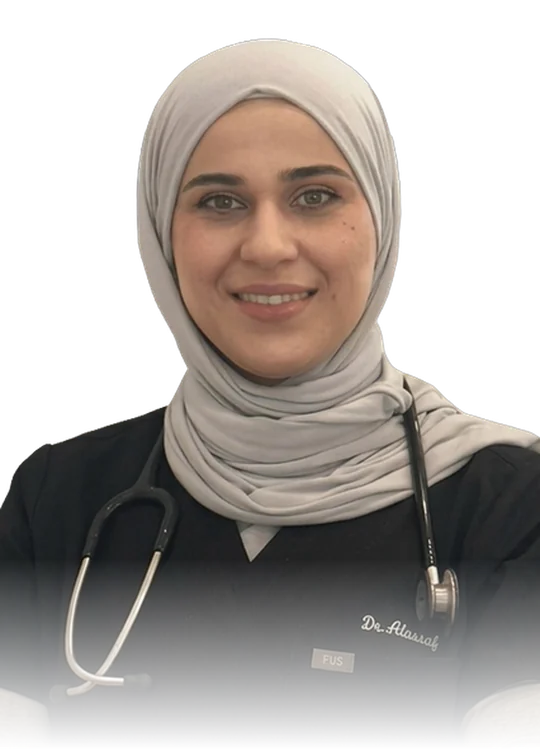
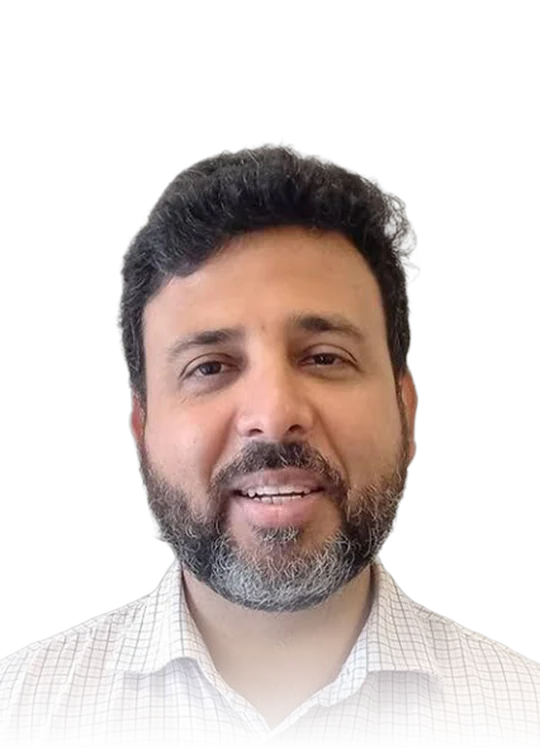
All of our GPs see children. Choose a GP or book the first available.
No preference? Book the first available GP.
Children's health questions.
Do you see babies and children?
Yes. All of our GPs see babies, children and teenagers.
Are children's appointments bulk billed?
All Medicare-eligible consultations are bulk billed for patients with a valid Medicare card, including children.
Are childhood vaccines free?
Vaccines on the National Immunisation Program schedule are free, and the consultation is bulk billed for Medicare-eligible children.
Can my teenager see a GP on their own?
Yes. Young people can usually see a GP confidentially. Your GP will explain how privacy works.
Can I get a same-day appointment for a sick child?
Check HotDoc for same-day availability, or call reception early and let them know your child is unwell.
This page provides general information about children's health services at Rutherford Doctors. It is not a substitute for advice about your own health. Please book an appointment to discuss your situation. In an emergency, call 000.