
Skin cancer checks
Skin cancer checks in Rutherford, with GPs who look closely.
Head-to-toe skin checks with dermoscopy, from GPs with a special interest in skin cancer medicine. Bulk billed for Medicare-eligible patients.
Find changes early, when they are easiest to treat.
Australia has some of the highest rates of skin cancer in the world. A skin check with a GP who uses dermoscopy can find spots that need attention early, when most skin cancers can be treated successfully.
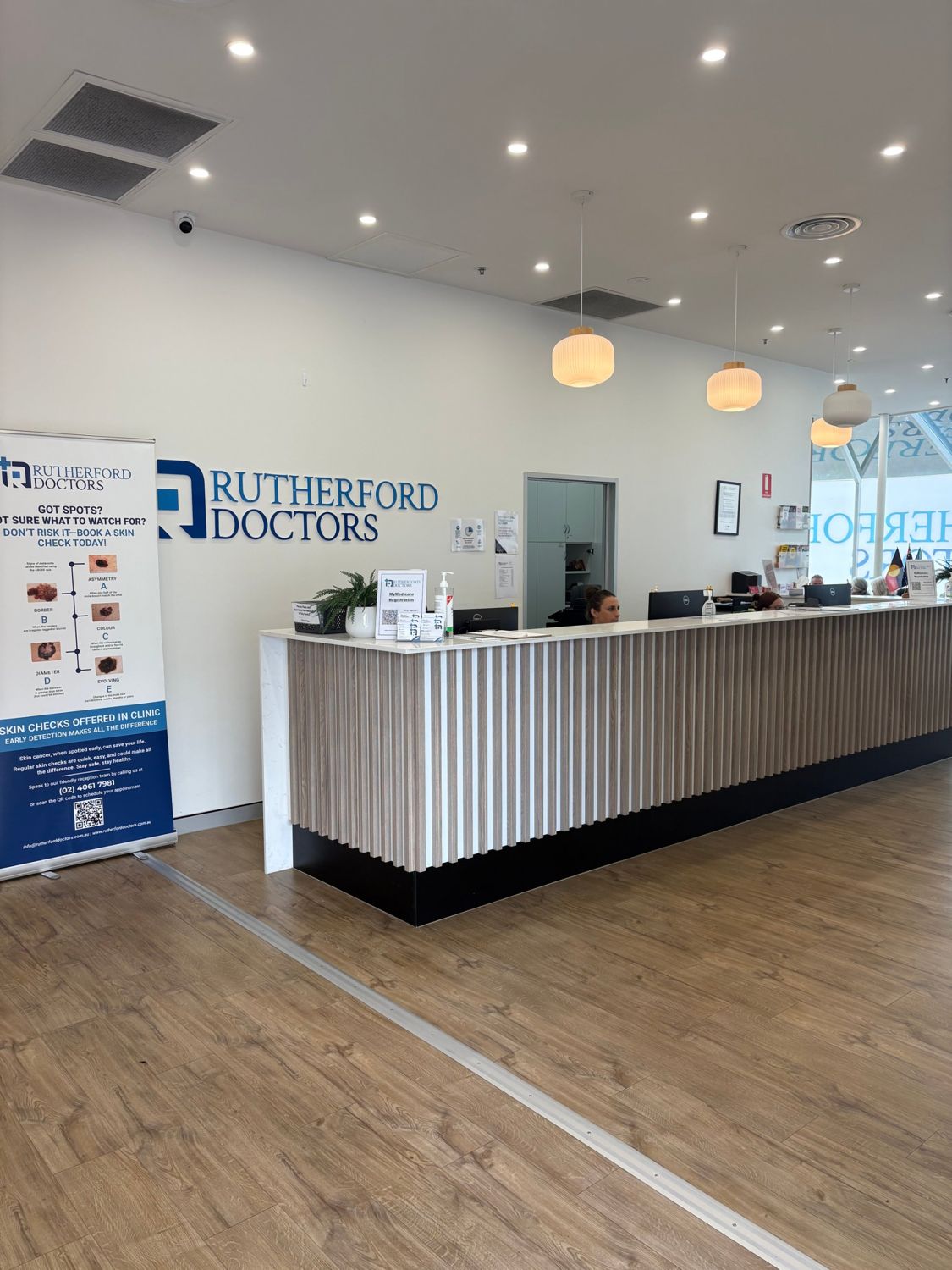
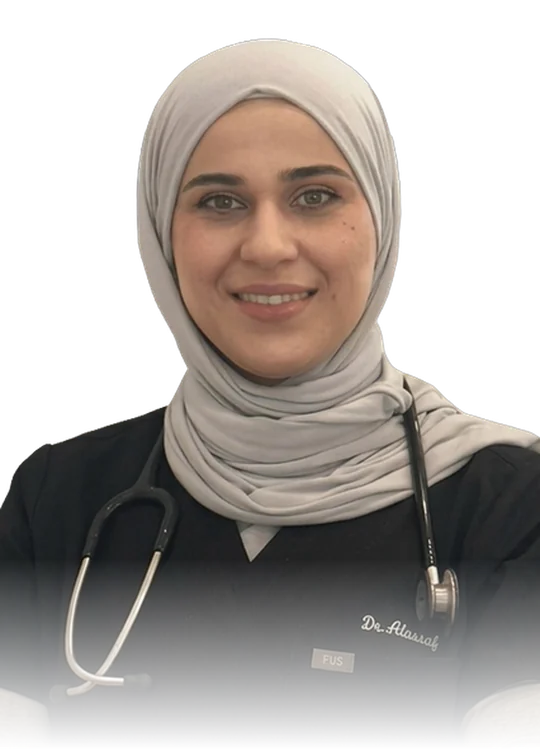
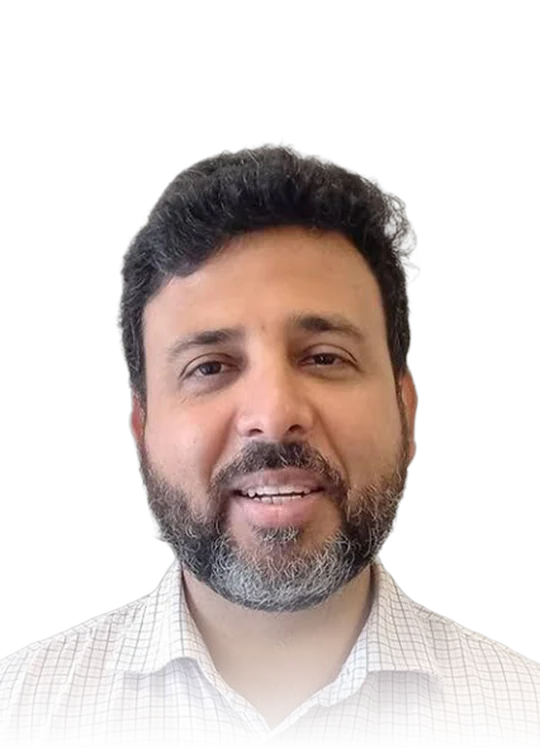
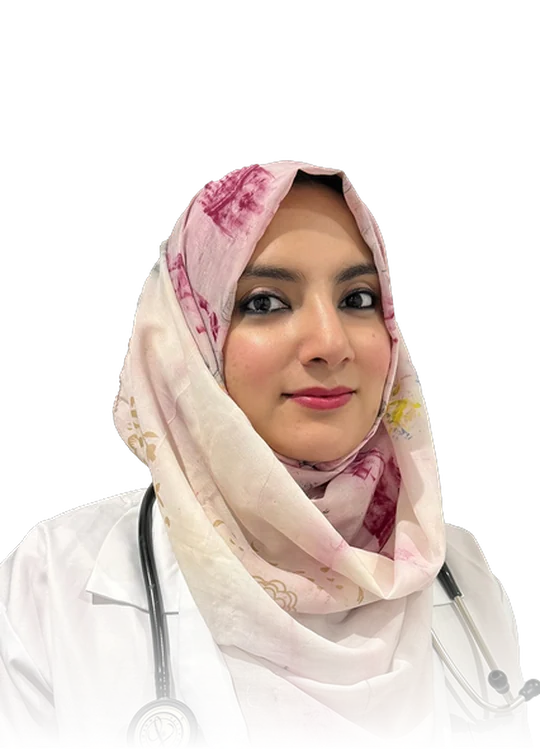
Rutherford Doctors is a Medicare Bulk Billing Practice in Rutherford, close to Aberglasslyn, Telarah and Maitland. Dr Syed Fawwad Qaiser and Dr Abdullah Haddid have a special interest in skin cancer medicine, and Dr Abdullah is accredited by the Skin Cancer College.
Due for a skin check? Book with a GP who looks closely.

How we can help.
Choose a topic to learn what is involved and when to see a GP.
What a skin check involves
A thorough look at your skin, from head to toe or focused on a spot.
Sunburn, previous skin cancers and family history.
Your GP examines your skin using a dermatoscope.
Monitoring, treatment or a biopsy if needed.
Types of skin cancer
The three main types.
The most common. Often a pearly lump or scaly patch.
A thickened, red, scaly spot that may bleed.
The most serious. Often a new or changing spot.
Who should check
Some people have a higher risk.
Fair skin that burns easily.
Lots of moles, past sunburn, or previous skin cancer.
Outdoor workers and people who spend lots of time in the sun.
Checking your own skin
Get to know your skin between visits.
Check in good light with a mirror.
A partner can check your back and scalp.
Anything new, changing or different.
Sun protection
Prevention matters.
Use sun protection whenever the UV index is 3 or above.
Clothing, sunscreen, hat, shade and sunglasses.
Check daily UV levels for Rutherford.
Something else on your mind? Our GPs can help.
The ABCDE signs.
A simple guide to what to look for. Not every skin cancer follows these signs, so check anything new or changing.
A
Asymmetry
Normal moles are usually symmetrical.
Compare both halves of the spot.
B
Border
Normal moles usually have smooth, even borders.
Look closely at the outline.
C
Colour
Normal moles are usually one even colour.
Note any patchy colours.
D
Diameter
Larger or growing spots should be checked.
Some melanomas are smaller.
E
Evolving
Change is one of the most important signs.
Take photos to compare over time.
EFG
Nodular melanoma
Some melanomas do not follow the ABCDE signs.
See a GP promptly.
This guide is general information. If a spot is new, changing or looks different to your other spots, book a skin check.
Found a spot that worries you?
Your skin check.
What to expect at a skin check at Rutherford Doctors.
Prepare
Before you come
Remove nail polish and make-up so your GP can check your nails and face.
Chaperone
Your comfort
You can ask for a chaperone at any time and control what is examined.
See a GP promptly if a spot
- New and growing quickly
- Bleeding, itching or crusting
- Changing in size, shape or colour
- Raised, firm and growing
Step by step
- 1History
Your GP asks about your skin, sunburn and family history.
- 2Examination
A head-to-toe check, or a focused check of a spot, using dermoscopy.
- 3Findings
Your GP explains what they found.
- 4Plan
Monitoring, treatment, a biopsy or excision if needed.
Book your skin check.
Monitoring
Some spots are monitored with photos so changes can be compared over time.
Procedures
Biopsies, excisions and cryotherapy are available in clinic.
Costs
Skin check consultations are bulk billed for Medicare-eligible patients. Some procedures may attract a fee for consumables.
Book a skin checkHow often should I check?
Select your situation.
Book a skin check.
Our skin check GPs.
Dr Qaiser and Dr Abdullah have a special interest in skin cancer medicine.
Any GP can check a spot.
Skin cancer checks questions.
Is a skin check bulk billed?
Skin check consultations are bulk billed for Medicare-eligible patients. Some procedures may attract a fee for consumables.
How long does a skin check take?
A full skin check usually needs a longer appointment.
Which GPs do skin checks?
Dr Qaiser and Dr Abdullah have a special interest in skin cancer medicine.
How often should I have a skin check?
It depends on your risk. Your GP will advise.
What happens if a spot needs treatment?
Your GP will explain options, which may include monitoring, a biopsy, excision or cryotherapy.
This page provides general information about skin cancer checks services at Rutherford Doctors. It is not a substitute for advice about your own health. Please book an appointment to discuss your situation. In an emergency, call 000.