
Cryotherapy
Cryotherapy in Rutherford, quick freezing treatment.
Freezing treatment for sunspots, warts and some other skin lesions, done in a standard consultation.
A simple treatment for common skin spots.
Cryotherapy uses liquid nitrogen to freeze and destroy abnormal skin cells. It is a quick, common treatment for sunspots (solar keratoses), warts and some other benign skin lesions.
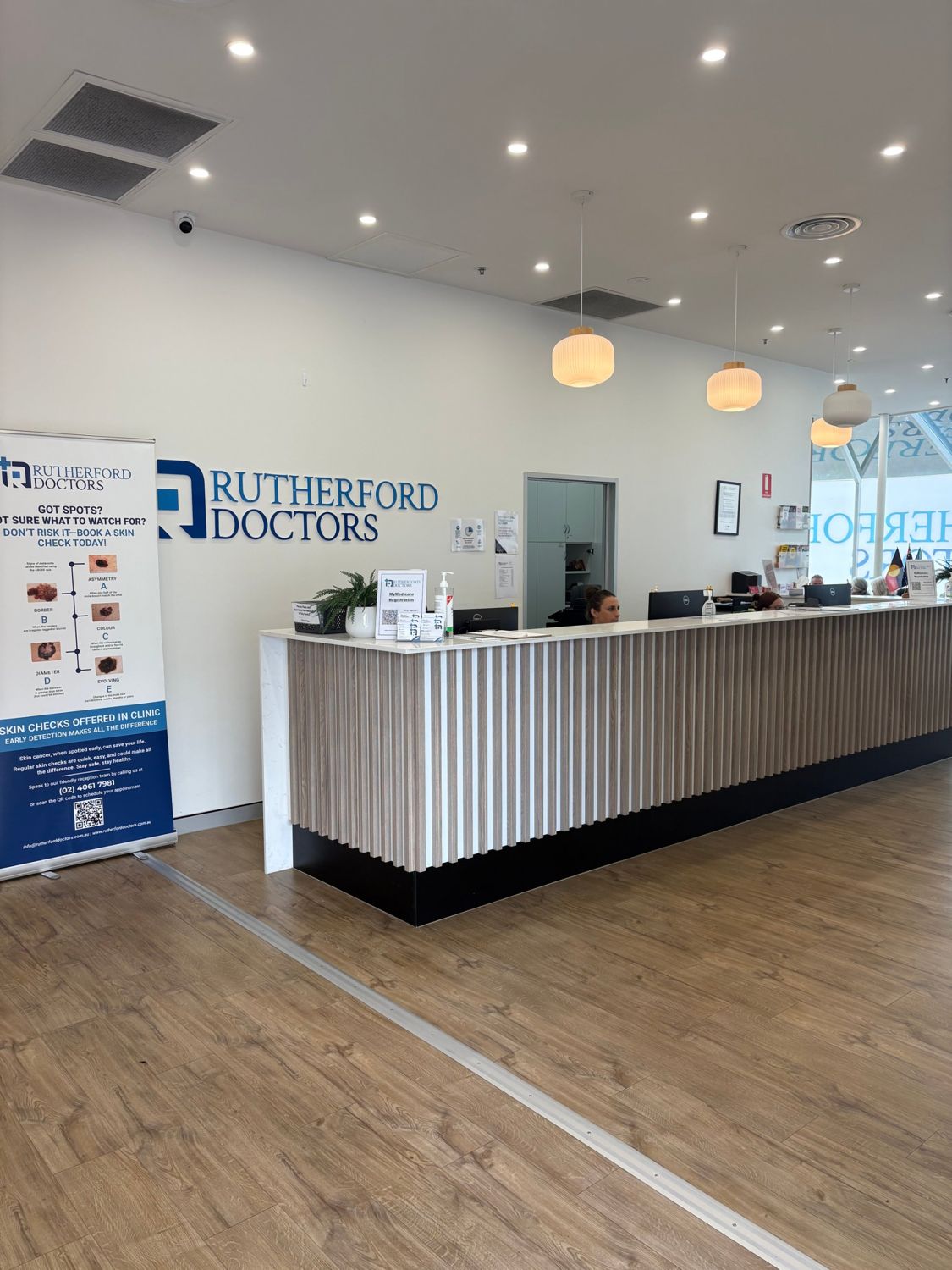
Rutherford Doctors offers cryotherapy in clinic. Your GP will always check that a spot is suitable for freezing first, as some spots need a biopsy instead.
Have a sunspot or wart?

How we can help.
Choose a topic to learn what is involved and when to see a GP.
How it works
Freezing destroys the targeted skin cells.
Liquid nitrogen is applied with a spray or applicator.
Stinging during and shortly after.
The spot blisters or scabs, then heals.
Sunspots
Solar keratoses are rough, scaly spots from sun damage.
Some sunspots can develop into skin cancer.
Freezing is a common option.
Sun protection reduces new spots.
Warts
Common and plantar warts.
Freezing every few weeks until gone.
Warts often need more than one treatment.
Your GP will advise if suitable.
Not suitable for everything
Some spots need a different approach.
May need a biopsy, not freezing.
Freezing can cause lighter patches.
Your GP will advise on sensitive areas.
Aftercare
Looking after the treated spot.
A blister may form. Leave it intact.
Wash gently and keep dry.
Usually heals within one to three weeks.
Something else on your mind? Our GPs can help.
What cryotherapy can treat.
Common uses. Your GP will check each spot first.
Sunspot
Solar keratosis
From sun damage. Common on the face, hands and arms.
Sun protection helps prevent more.
Wart
Common wart
Caused by a virus.
Often on hands and fingers.
Wart
Plantar wart
Can be painful to walk on.
May be slower to clear.
Benign growth
Seborrhoeic keratosis
Harmless, but can be treated if irritated.
Your GP will confirm it is benign.
Benign
Skin tags
Can be frozen or removed.
For tags that catch or irritate.
Your GP will confirm each spot is suitable before freezing. Suspicious spots may need a biopsy.
Ready to treat a spot?
Your cryotherapy treatment.
What to expect.
Check first
Assessment
Your GP checks the spot is suitable for freezing.
Quick
In a standard consult
Cryotherapy can often be done during a standard consultation.
See a GP if the treated spot
- Increasing redness or swelling
- Pus or a bad smell
- Does not heal after a few weeks
- Comes back or changes
Step by step
- 1Assess
Your GP examines the spot.
- 2Freeze
Liquid nitrogen is applied for a few seconds.
- 3Sensation
You may feel stinging, which settles quickly.
- 4Heal
The spot blisters or scabs and heals over one to three weeks.
Book your treatment.
More than one session
Warts and some sunspots may need repeat treatment.
Skin changes
Freezing can leave a lighter patch of skin.
Is cryotherapy right for me?
Select your situation.
Book an appointment.
Our GPs.
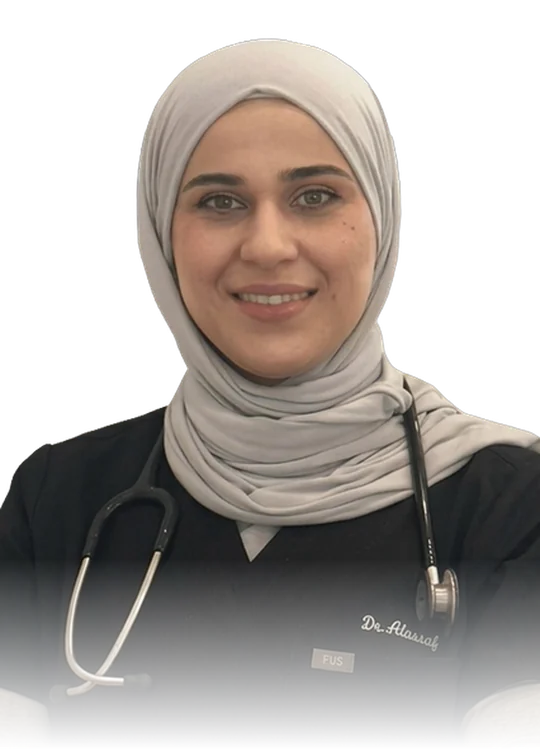
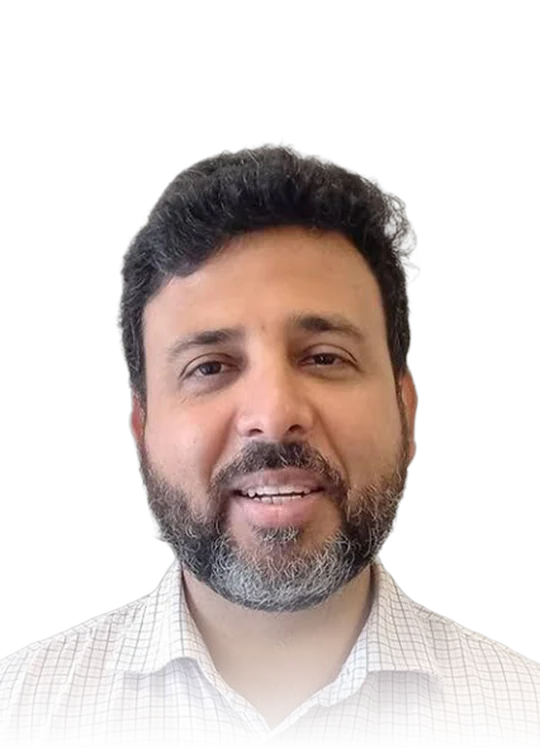
Our GPs provide cryotherapy.
No preference? Book the first available GP.
Cryotherapy questions.
Does cryotherapy hurt?
It stings during treatment and for a short time after.
How long does it take to heal?
Usually one to three weeks.
Is it bulk billed?
Consultations are bulk billed for Medicare-eligible patients.
Can all spots be frozen?
No. Your GP will check each spot first. Suspicious spots may need a biopsy.
Will I need more than one treatment?
Warts often need several treatments.
This page provides general information about cryotherapy services at Rutherford Doctors. It is not a substitute for advice about your own health. Please book an appointment to discuss your situation. In an emergency, call 000.